Jugalbandi
project details
NATURE OF WORK
Self
YEAR
2025
TYPOLOGY
Object Design
SCOPE
Furniture Design
LOCATION
Mumbai, India
DURATION
2024-2026
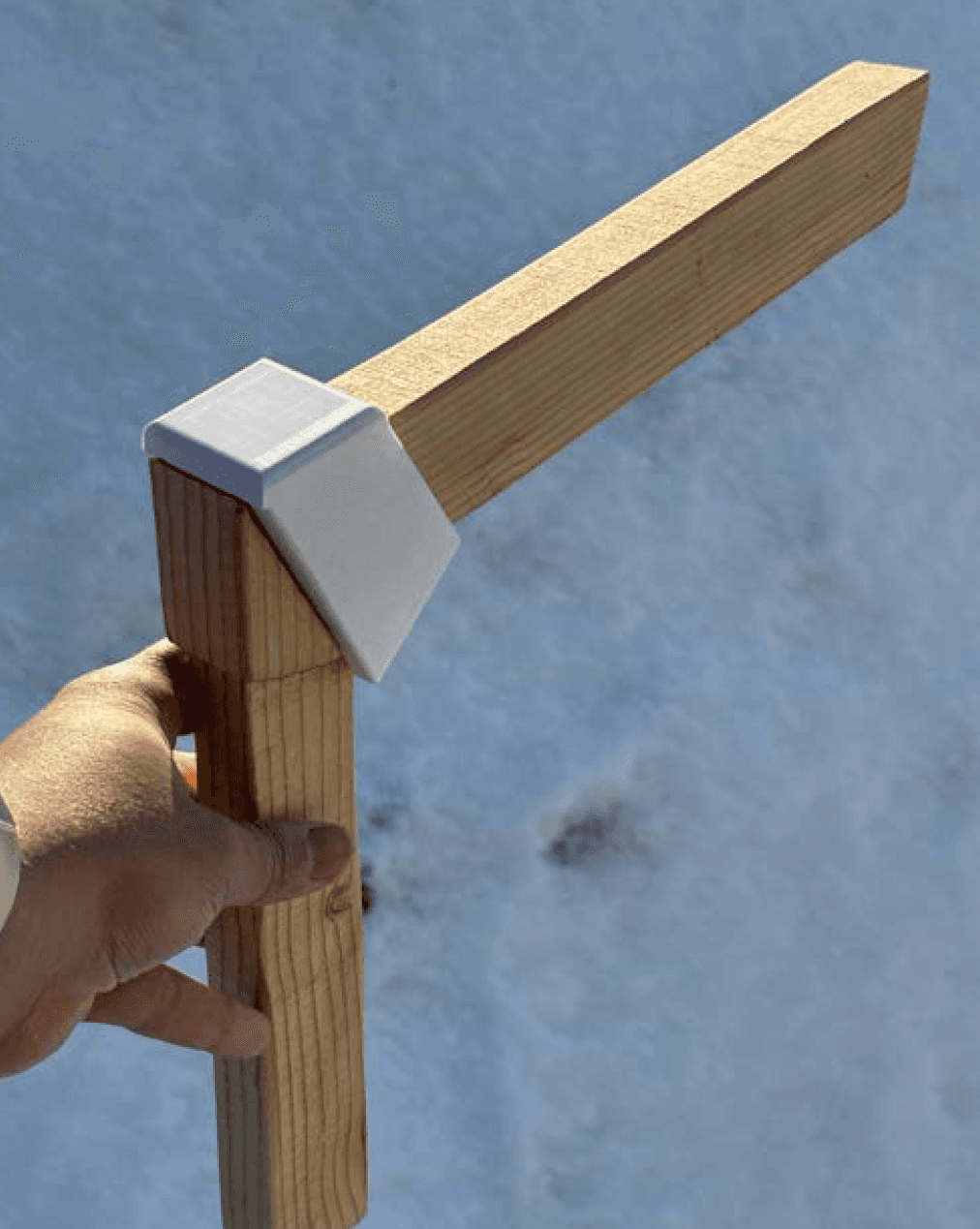
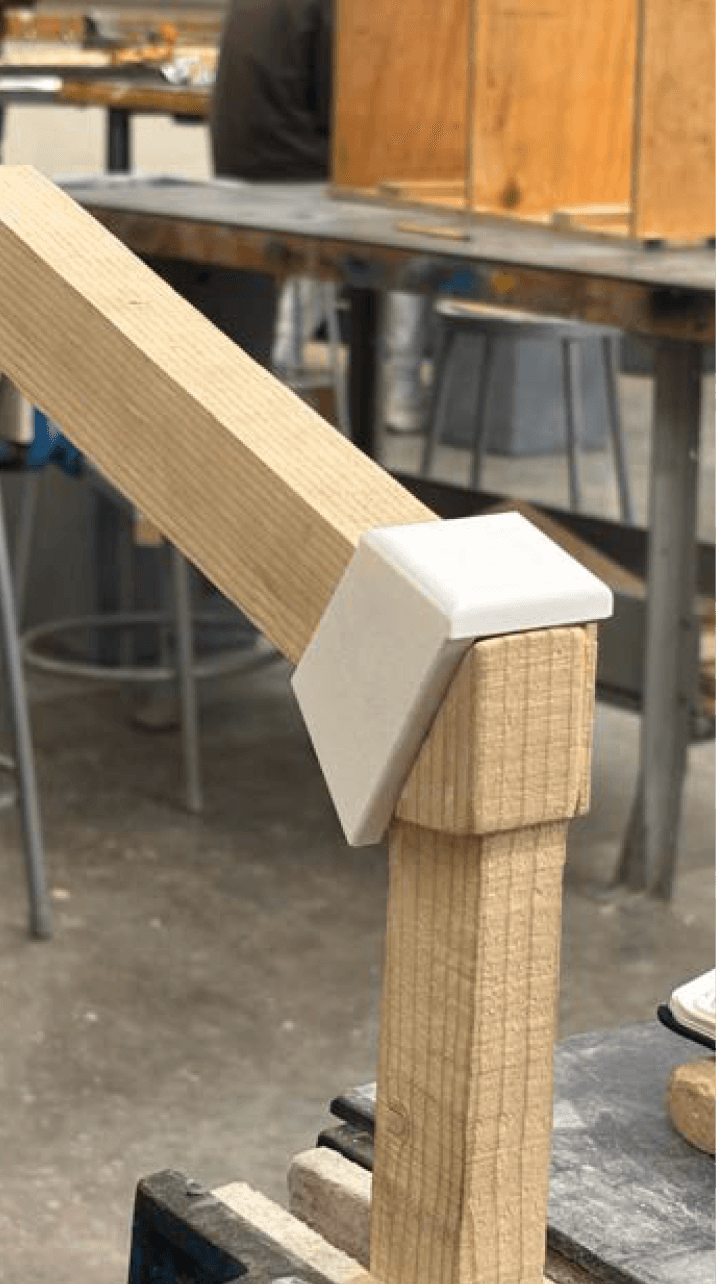
Jugalbandi is a private furniture collection born from a duet between human craftsmanship and technological precision.Jugalbandi borrows from the classical music duet, a duet between human and machine: a jugalbandi of craft and code. It stands for a singular intelligence: neither hand nor machine acting alone, but entwined creating forms that neither could achieve independently.Each piece is a negotiation, composed from familiar acts of making, lathing, weaving, joinery, casting, bending and then tuned with cutting‑edge tools until the dialogue between tradition and technology becomes visible in the object itself. The Knot Chair is a conceptual furniture proposal that shows Jugalbandi through a joint. Where traditionally joints are hidden and tucked away, the chair treats the joint as the primary place for contemplation and showcase of these complex negotiations between authors in play. The joinery sits on the armrest, where the hands meet the furniture and tells the tale of how the hands shaped the chair. The piece is inspired by Carlo Scarpa’s ‘adoration of the joint,’ where the joint becomes the moment of truth. Where the craftsperson’s generational and tacit knowledge becomes visible to anyone who looks.

Traditionally, joints are tucked away, hidden, covered, resolved out of sight. This chair brings the joint to the foreground, making it the primary site of contemplation and the showcase for negotiations between maker, machine, and material. Combining Japanese joinery with knot‑making and weaving, its form behaves like a knot, as the grain of the wood turns and twists around each joint.


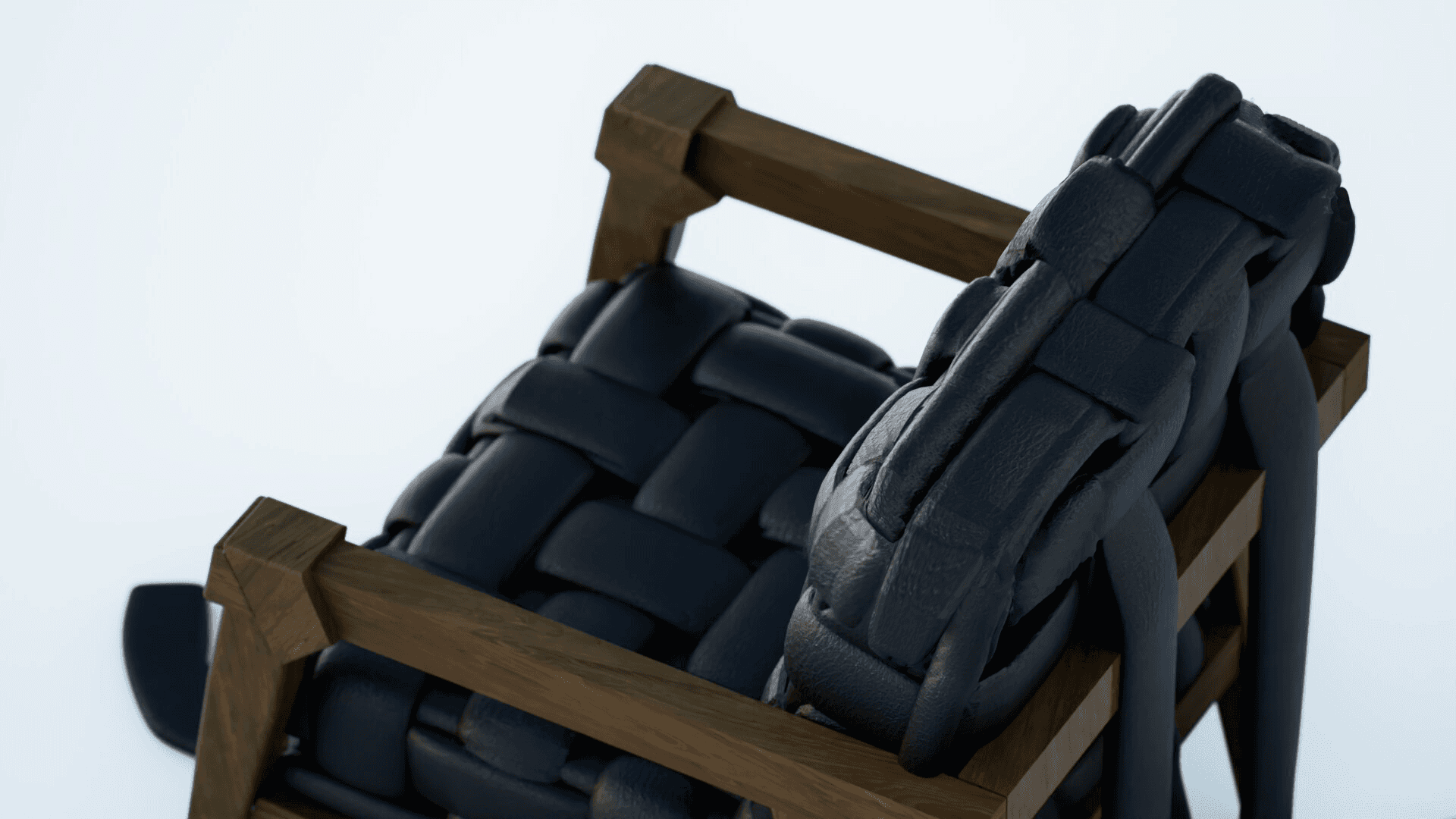


At the heart of the piece is the knot joint at the armrest, a crafted variation that draws from both the mitred face joint and the mortise-and-tenon, reinterpreting them into a three-part assembly that behaves almost like a sculptural lock. Around this anchor, the chair incorporates dovetail joints, including their blind versions, each selected for its ability to guide, hold, and register the timber with quiet precision. The armrest guides you toward the knot. Your hand arrives and touches without thinking, compelled by form itself. Beneath your fingers is the language of making. The craftsman’s knowledge, the wood’s resistance, the hesitation and certainty of hands that shaped the chair, all present, all felt, all asking to be understood through touch.

Lathe
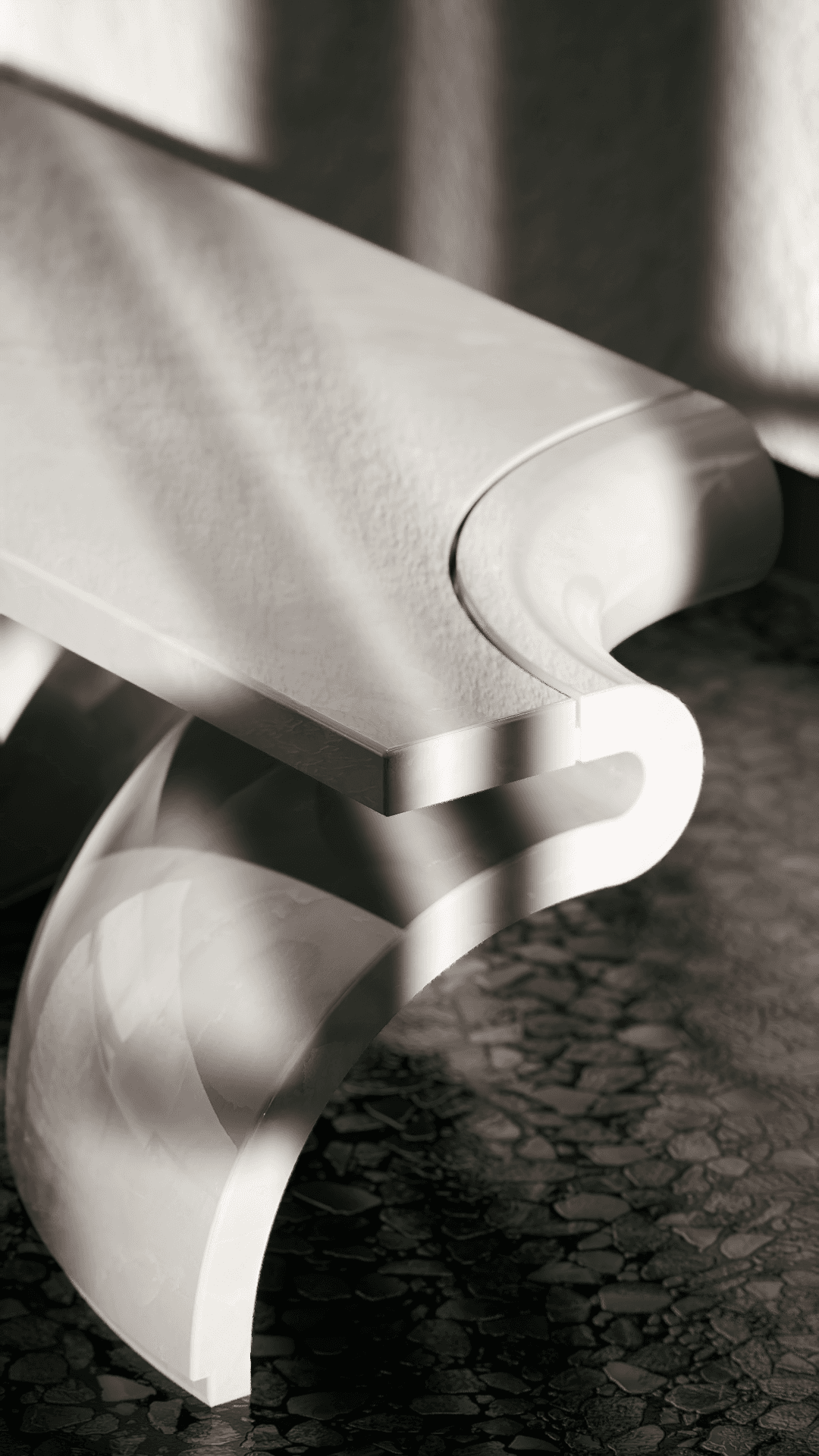
Lathe is the inaugural exploration of form through both hand and machine. The series takes the elemental process of lathing, the spinning axis that carves, bends, and shapes and transforms it into a duet of intelligence. In this first experiment, lathed profiles reminiscent of pots, are sectioned and reassembled. These cut and overlapped forms become sculptural legs for a bench or coffee table, each piece existing at the intersection of codified craft and digital precision. Whether in wood, stone, or metal, Lathe speaks to forms only achievable when human touch and machine logic are in perfect negotiation.






Let’s Talk
Start with a Conversation
Every space begins with a clear idea. Let’s define it together.